



How to Choose a Conference Microphone for Your Meeting Room
https://www.itcconferencesys.com/productcat/controller-en/The conference microphone is the one piece of equipment every participant touches—or rather, talks into—yet buyers often think about it last. Choose wrong, and every meeting becomes a cycle of "sorry, can you repeat that?" Choose right, and conversations flow without anyone noticing the technology at all. This guide walks through the microphone types, the five selection factors that actually matter, and the mistakes that cost organizations the most.
Why the Microphone Decides Meeting Quality
In a conference room, video can stutter and participants will tolerate it. Audio cannot. Human ears are far less forgiving of echo, dropouts, and background noise than eyes are of a slightly soft image. The microphone determines whether remote participants hear a clear voice or a hollow room. For organizations running hybrid meetings, this directly affects how many people are willing to join remotely—and how quickly decisions get made.
The Four Main Types of Conference Microphones
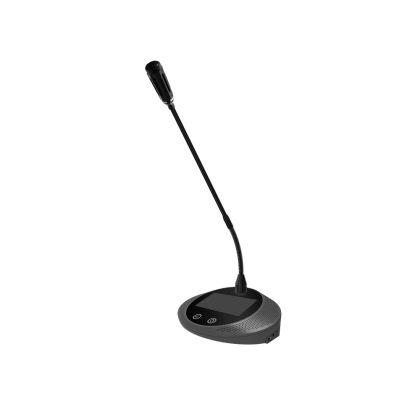
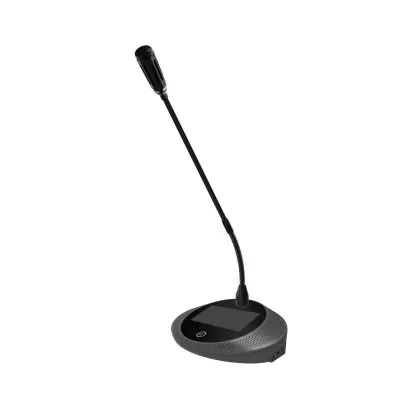
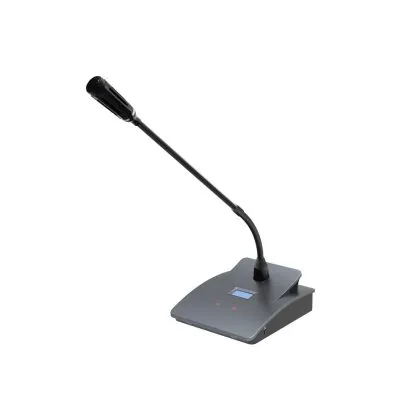
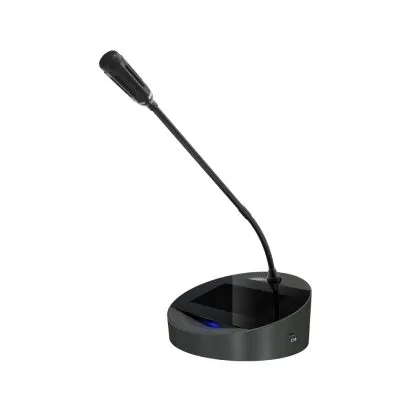
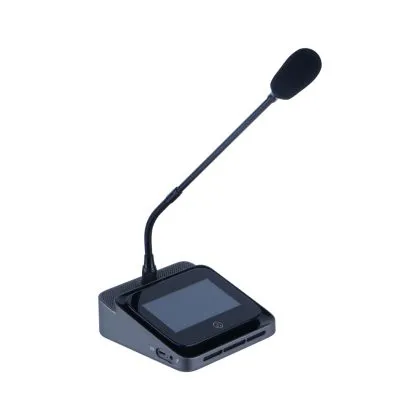
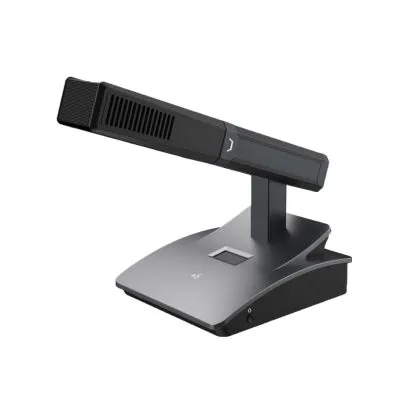
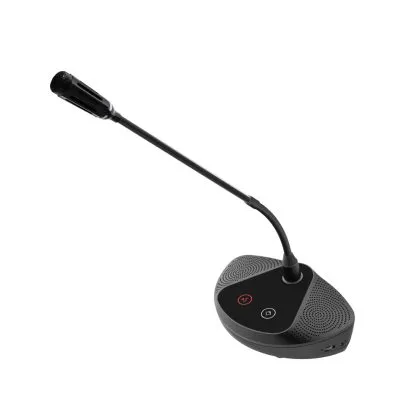
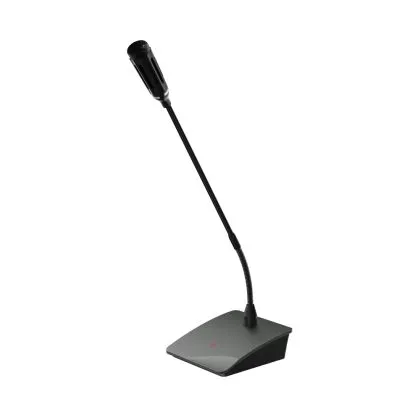
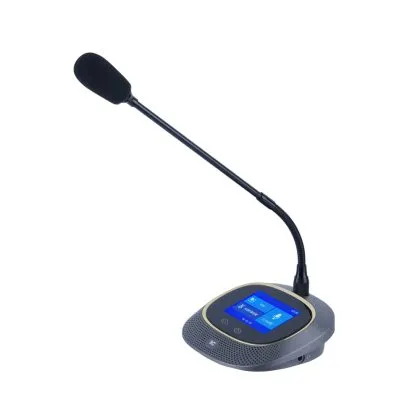
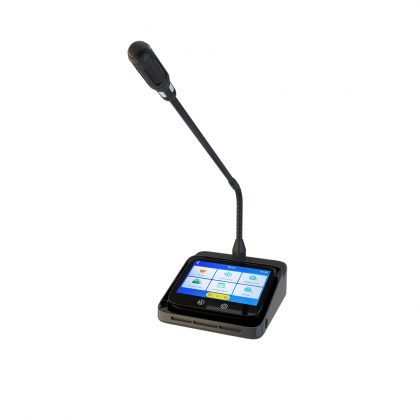
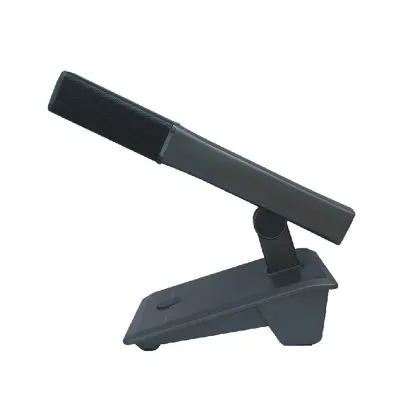
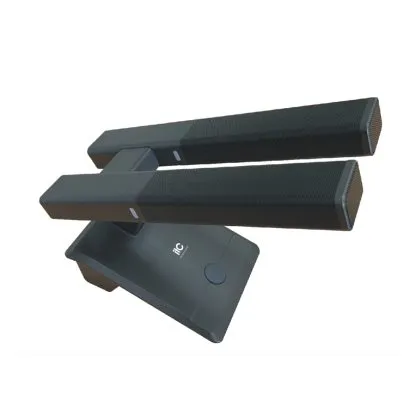
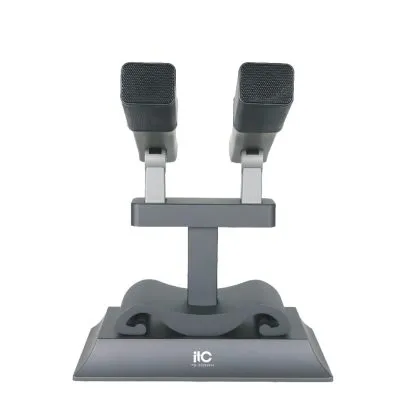
1. Wired Discussion Microphones (Gooseneck Delegate Units)
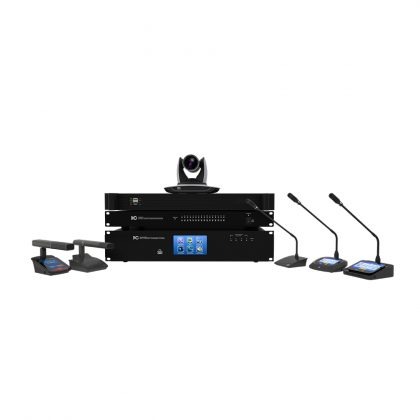
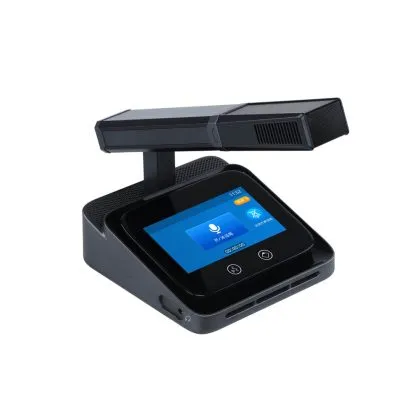
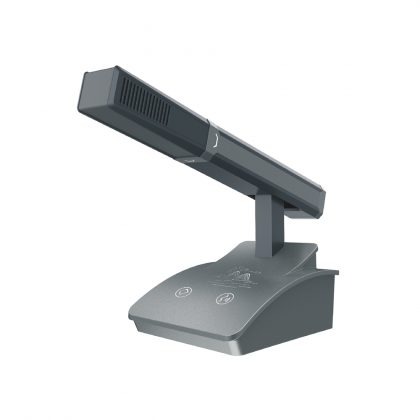
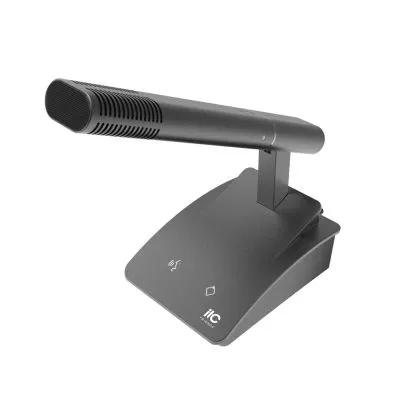
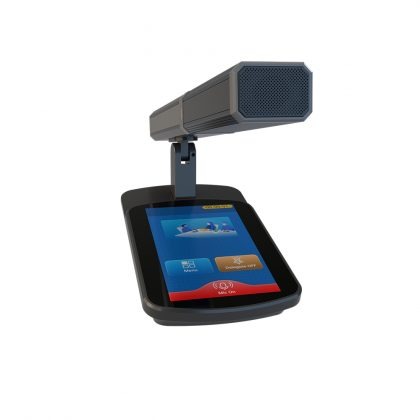
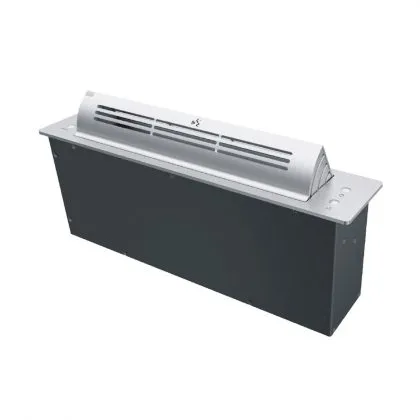
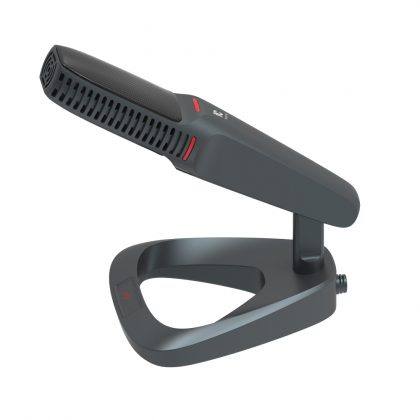
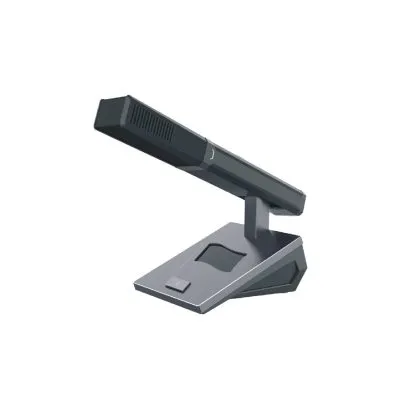
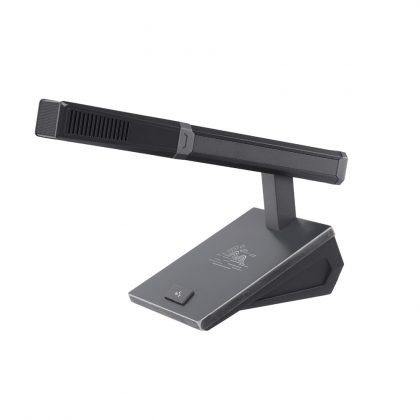
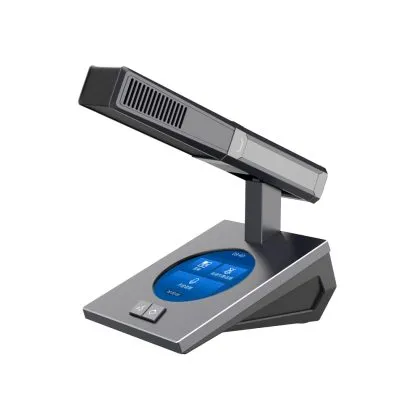
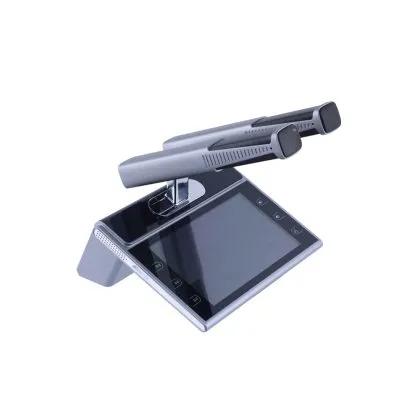
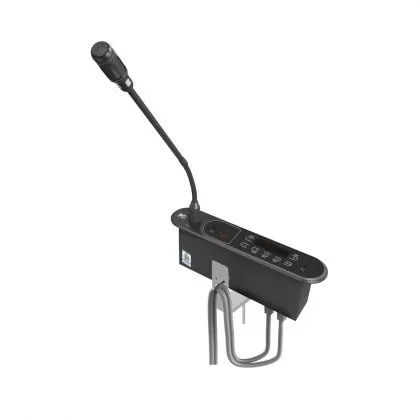
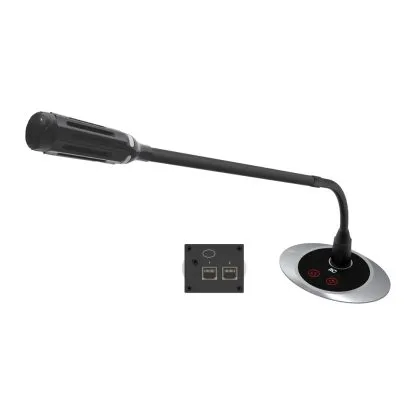
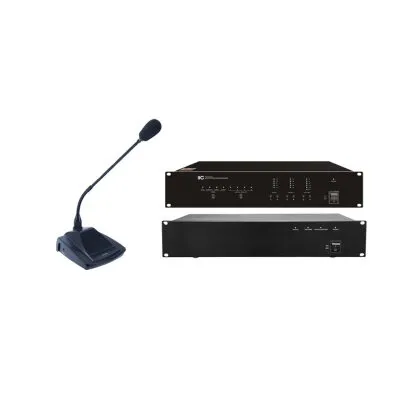
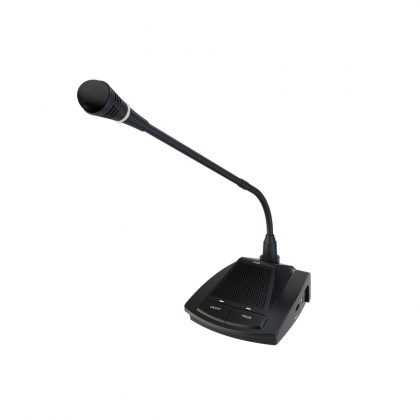
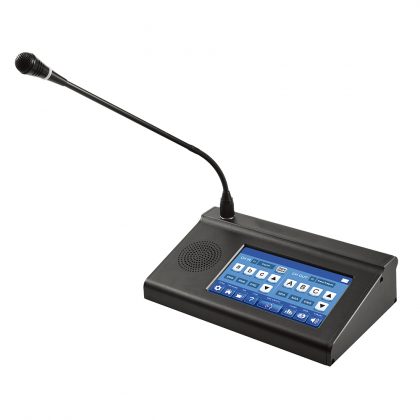
The standard for council chambers, courtrooms, and permanent boardrooms. Each delegate unit offers speaking, request-to-speak, and often voting functions, all connected through a central conference controller. Wired units deliver the most stable, interference-free audio and require no batteries—ideal when the room layout never changes.
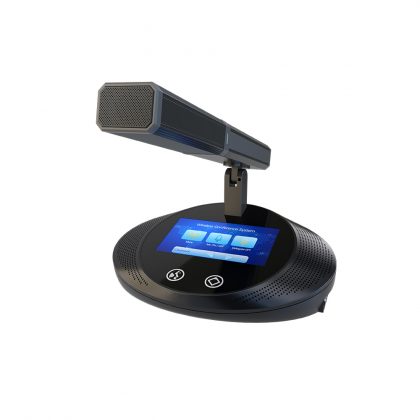
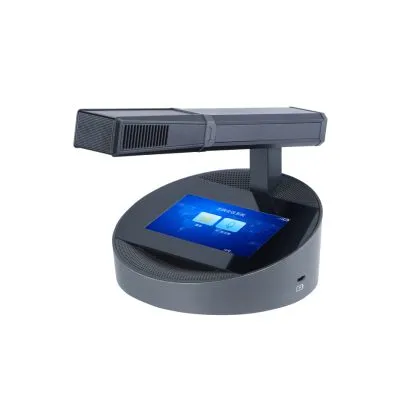
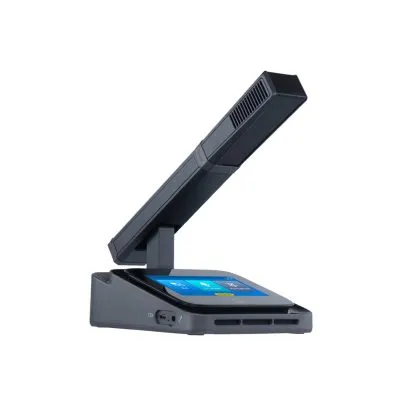
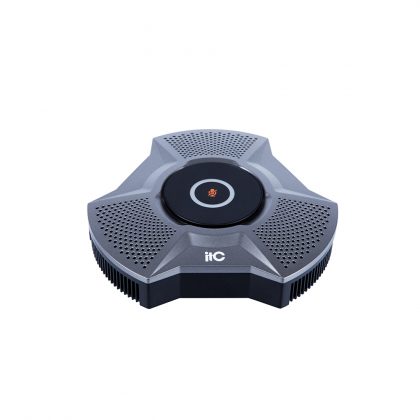
2. Wireless Conference Microphones
Wireless delegate units remove the cabling constraint entirely. Setup takes minutes rather than days, which makes them the practical choice for hotel venues, multi-purpose halls, and rooms that get reconfigured. Modern units use encrypted transmission and offer long battery life—check that the model you choose supports the meeting length your organization actually runs.
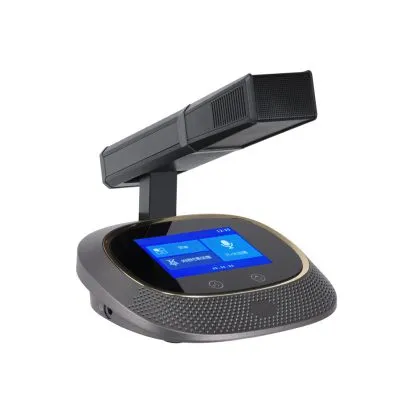
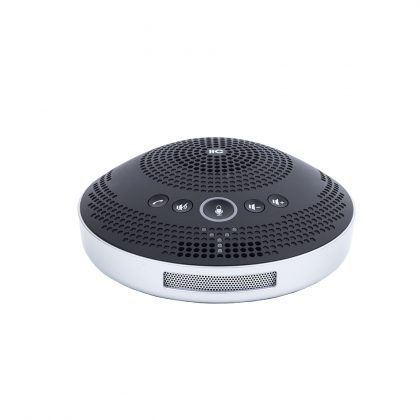
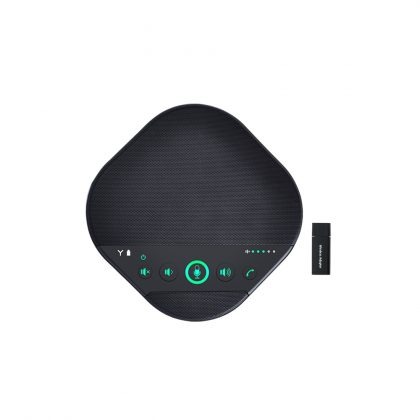
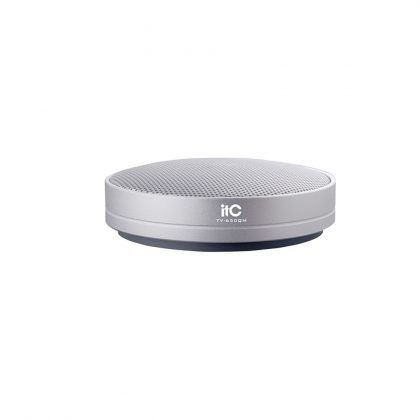
3. Speakerphones and Boundary Microphones
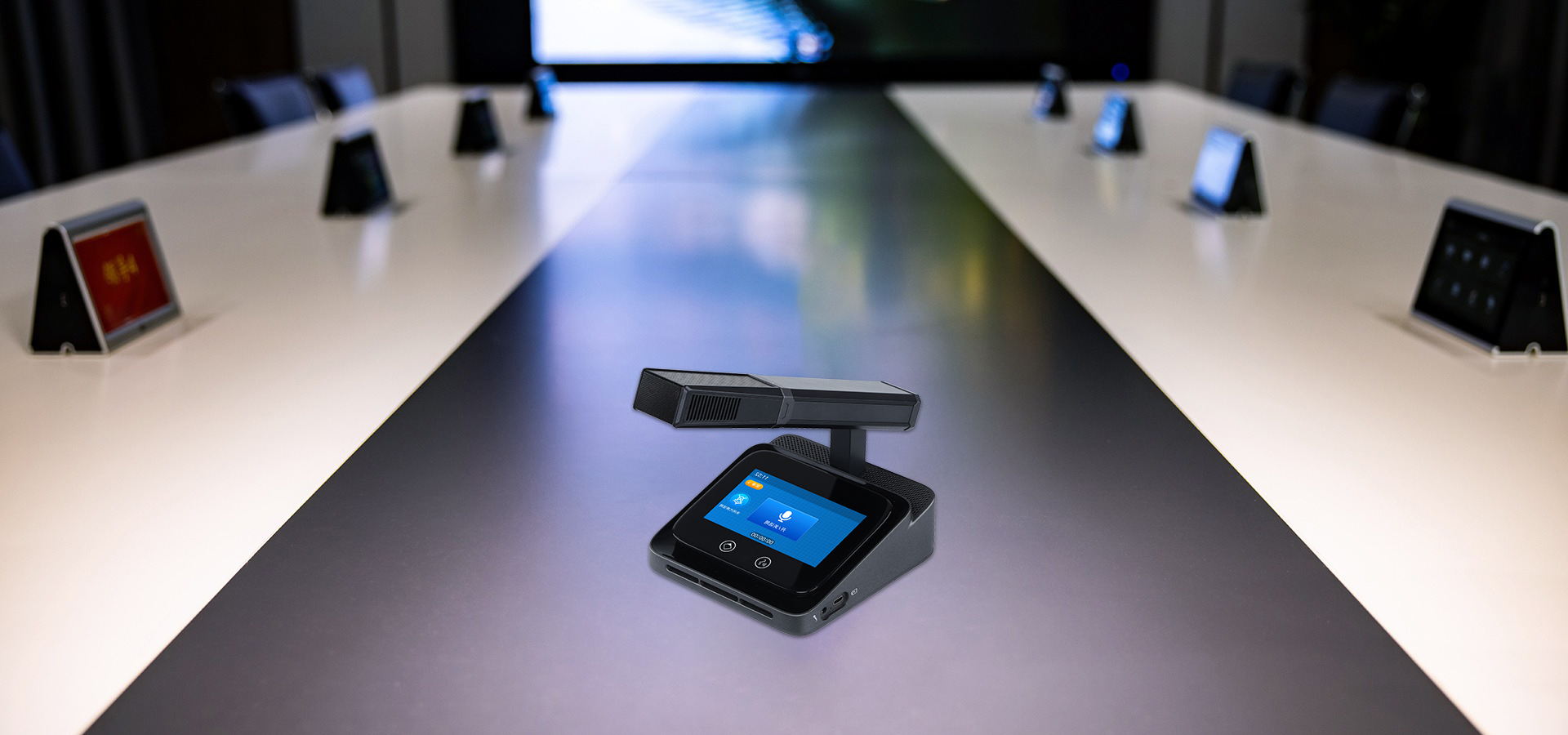
Compact table-top devices built for huddles and executive rooms. They pick up 360° of voice and connect directly to soft platforms such as Zoom, Microsoft Teams, and Webex. The right pick when the goal is fast deployment in many small rooms rather than formal speech control.
4. Wireless Clip-on and Handheld Microphones
Used for presenters, trainers, and hybrid teaching rooms where the speaker moves around. Frequently paired with a ceiling array or speakerphone so the whole room is covered.

Five Factors That Decide the Right Model
Room size and seating layout
A 20-seat boardroom and a 300-seat council chamber are different engineering problems. Fixed seating favors centralized wired systems; flexible layouts favor wireless.
Number of participants speaking at once
Traditional discussion systems allow one or two microphones active at a time, which is what most formal meetings need. Discussion-style round tables may require multiple open mics or a ceiling array.
Wired or wireless
Wired for permanent installations, maximum stability, and zero battery management. Wireless for flexibility, rented venues, and rapid deployment. Many organizations use both: wired in the main chamber, wireless in breakout rooms.
Integration with the rest of the AV ecosystem
A microphone system should not be an island. If you already run a paperless conference system, video conferencing terminals, or simultaneous interpretation equipment, choose microphones that connect to the same controller—one ecosystem means one point of support.
Support and serviceability
Conference equipment gets used daily for years. Ask about local technical support, spare parts availability, and warranty terms before comparing price.
Wired vs Wireless Conference Microphone: Quick Comparison
Wired: best audio stability, no batteries, lowest long-term maintenance if the room is fixed, permanent installation required.
Wireless: fastest deployment, flexible layouts, movable between rooms, needs battery management and charging infrastructure.
Rule of thumb: if the room changes shape more than twice a year, go wireless. If the room is fixed and formal, go wired.
Three Mistakes Buyers Make Most Often
Buying by unit price only. The microphone is a small share of total system cost; choosing an incompatible brand costs far more in integration and support.
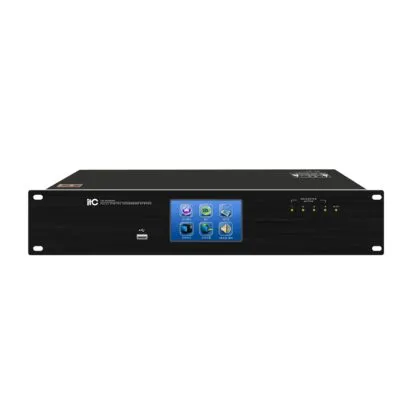
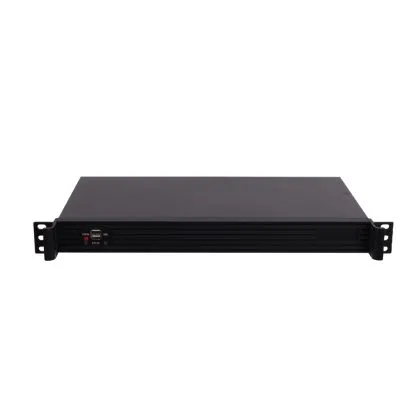
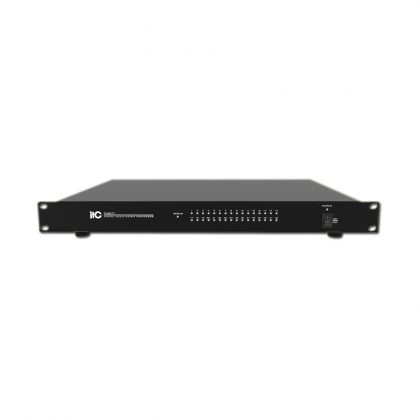
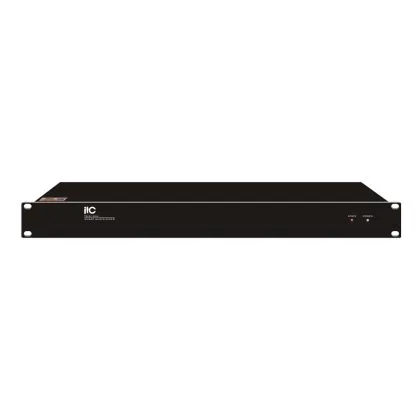
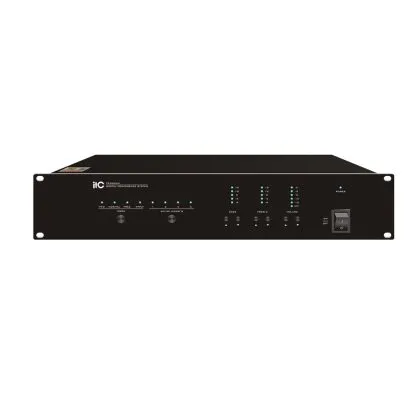
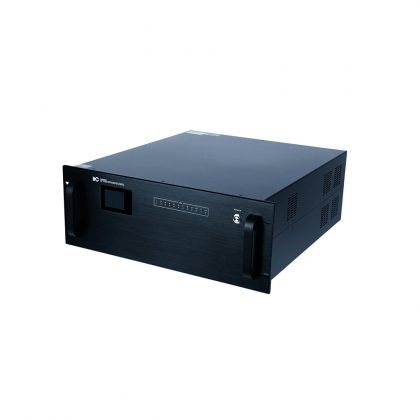
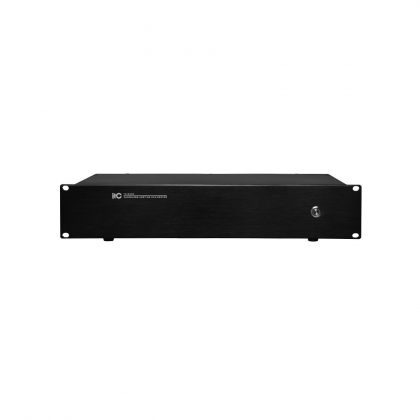
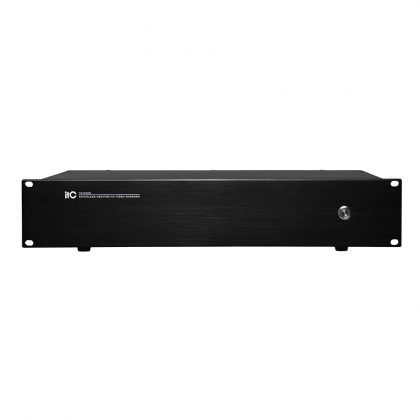
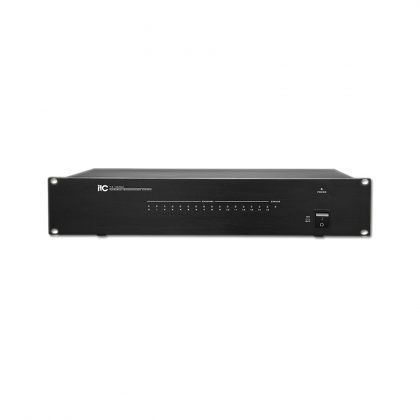
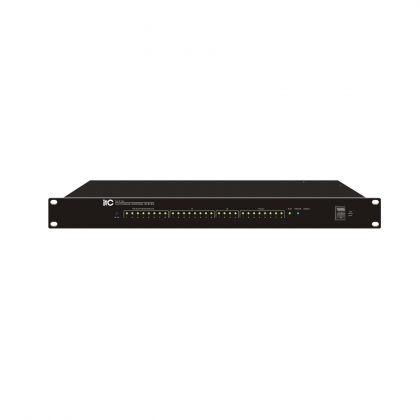
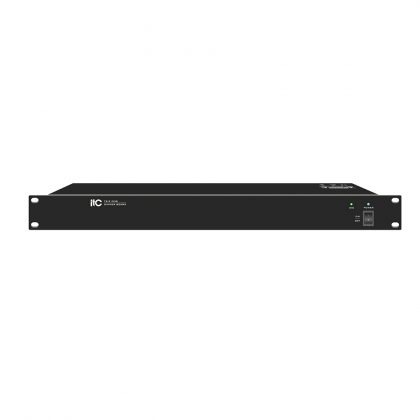
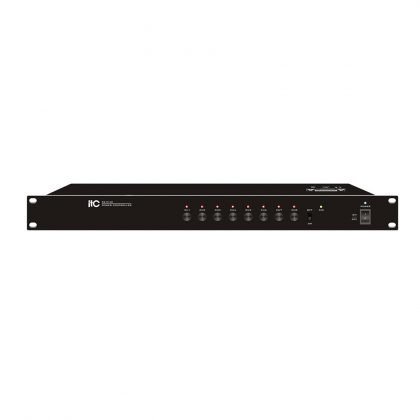
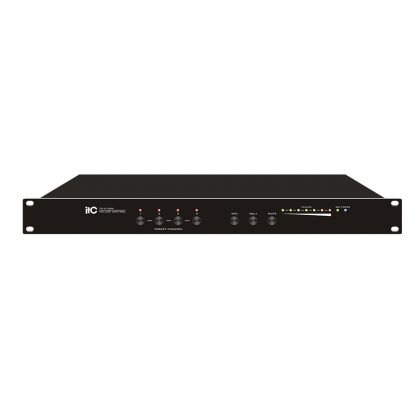
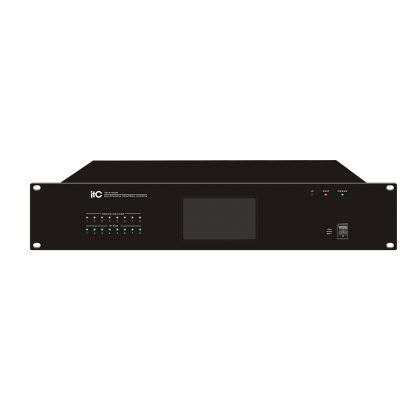
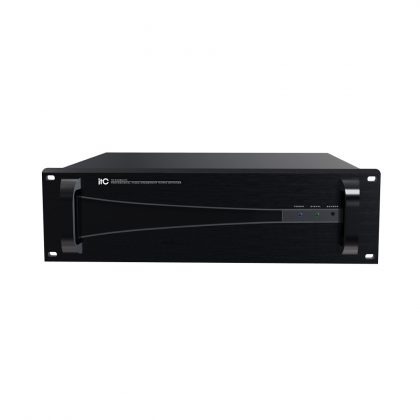
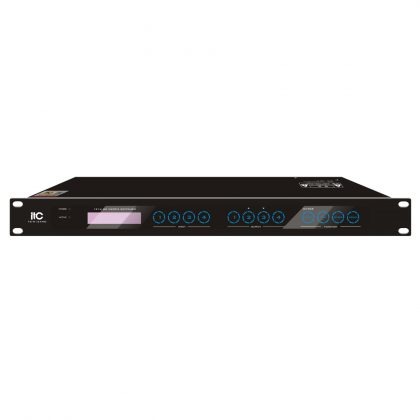
Ignoring the controller. Microphones do not work alone—they need a controller that manages them. Confirm controller capacity covers your current delegate count plus growth.
Forgetting the remote audience. A room that sounds fine in person can sound terrible over video. Always test with a remote participant on the actual platform your team uses.
Frequently Asked Questions
What is the best conference microphone for a small meeting room? A speakerphone or boundary microphone, provided it is certified for your video platform. For rooms under 8 people, a single table-top device is usually enough.
How many conference microphones does a meeting room need? Plan roughly one per participant for formal discussion systems, with coverage allowing everyone to be heard—not one microphone per seat in every case. A 20-person boardroom typically uses 12-16 delegate units.
Can I mix wired and wireless microphones in one system? Yes, if they connect to the same controller. Many itc deployments combine wired delegate units in the main chamber with wireless units in flexible rooms.
Do wireless conference microphones work in rooms with existing Wi-Fi? Yes—choose models with encrypted transmission and, where available, frequency management to avoid interference in dense wireless environments.
Choosing the Right Conference Microphone with itc
itc has manufactured conference equipment for more than 30 years, supplying governments, enterprises, and education institutions in over 90 countries. Our range covers wired discussion units, wireless delegate microphones, speakerphones, and complete conference system microphones designed to work as one integrated system with paperless conference and video conferencing equipment.
Browse our full conference microphone range, or contact us for a free room design and quotation within 24 hours.
Relevant News
-
Maximizing Meeting Efficiency with Smart Interactive Panels
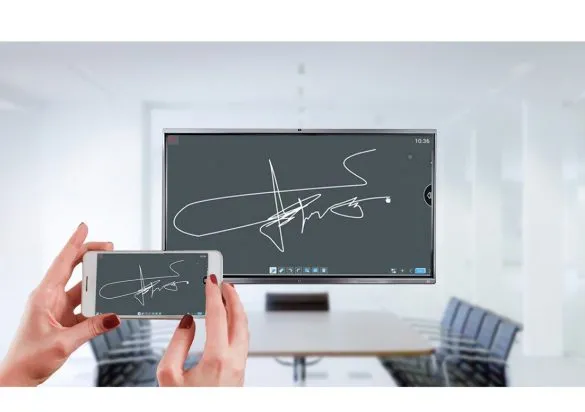
Mar 29,2023The intelligent interactive flat panel is known as the "meeting artifact" by many people. With it, holding a meeting is no longer a brain-wracking and tongue-twisting experience. With it, there will be no more dozing off during meetings. Indeed, using the intelligent interactive flat panel to hold meetings has brought many conveniences to units and organizations, and the role of the interactive tablet is evident, whether it is in the pre-meeting preparation or during the meeting process. Today, let's take a…
-
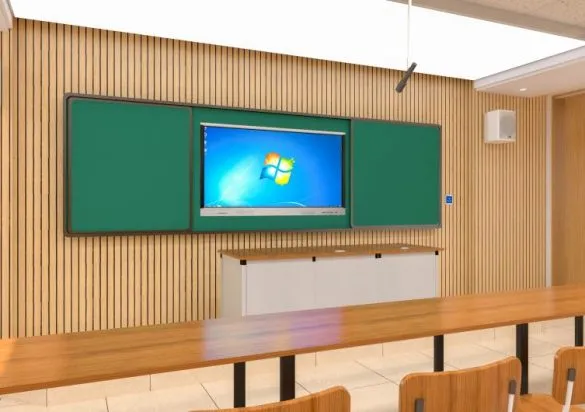
itc Classroom Sound System
Dec 21,2022Classroom sound system is a high definition, high fidelity and high stability sound system launched by itc for the teaching environment. It provides high-quality audio transmission environment and sound reinforcement effects for various functional activities in the classroom. Classroom sound system introduction itc classroom sound system has a built-in high-performance DSP processor and adopts audio algorithms such as automatic gain, adaptive feedback suppression, automatic equalization and environmental noise reduction, which can realize a wide range of sound pickup, and effectively…
-
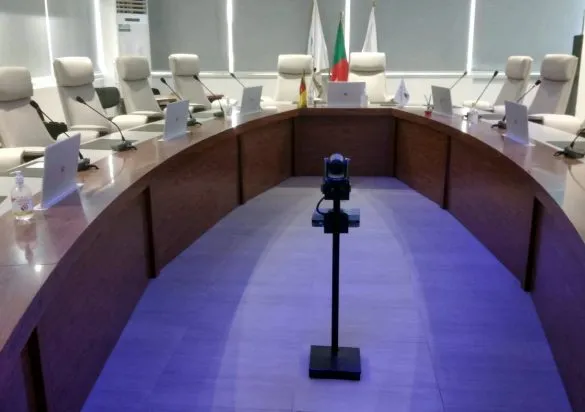
Technical Analysis of Common Video Conference Systems
Nov 29,2022A complete video conference system is usually composed of video conference terminal, multi-point control unit MCU, network management software, transmission network and related accessories. What are the types of video conference terminals? The video conference terminal is used to encode and package the video and audio data, and then send it to the remote end through the network. At the same time, it receives the data sent from the remote end, unpacks and decodes the data, restores the video and…